Introduction
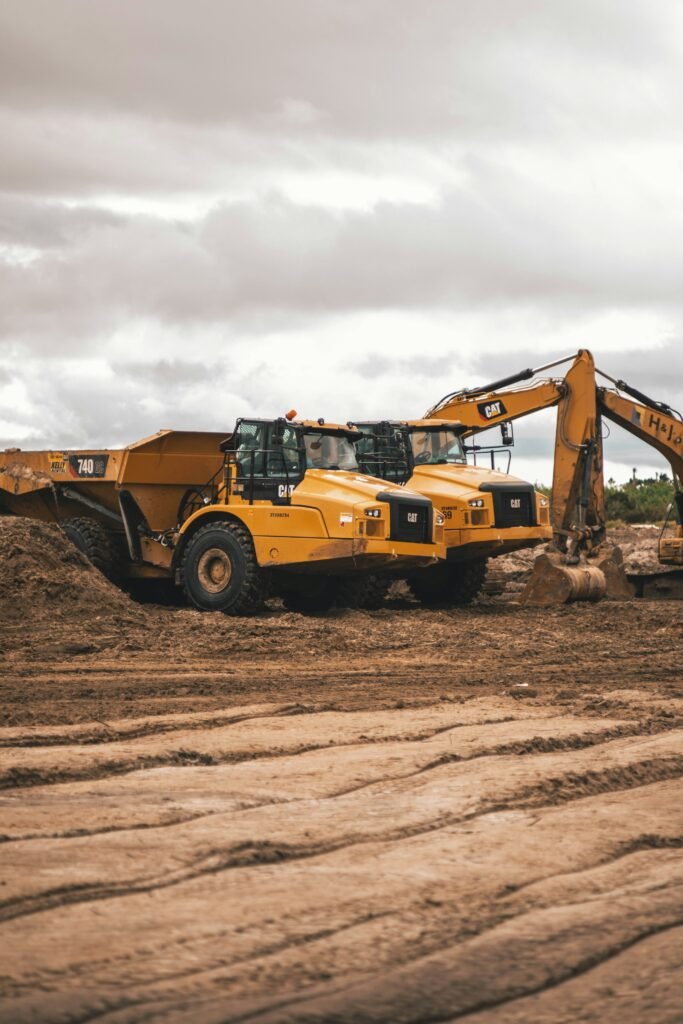
The gold and silver mining sectors in Canada and the U.S. are increasingly embracing automation for surface equipment such as dozers and motor graders. This shift prioritizes safety, operational efficiency, and integration with broader autonomous systems in challenging environments ranging from sub-Arctic Canada to Nevada’s open pits. While full autonomy for dozers and graders lags behind haul trucks, remote, semi-autonomous, and AI-assisted operations are accelerating, particularly for remediation, road maintenance, and material handling. This report discusses the current developments in the use of autonomous surface dozers and graders in Canada/U.S. gold and silver mining.
Safety as the Primary Driver for Adoption
Automation adoption in these operations is heavily motivated by safety. Remote and semiautonomous systems remove operators from hazardous zones, such as unstable slopes, remediation sites, or high-traffic areas near heavy equipment. [1]
A notable and recent example is the rapid deployment by Epiroc and RCT (its automation division) of AutoNav Lite semi-automation on two Caterpillar D10 dozers at a major gold mine in Northern Canada. This supported stabilization and remediation work in controlled areas with elevated operator risks. The system enables tele-remote operation from on-site centres, keeping personnel out of the cab in dangerous conditions. Deployment was fast-tracked to address site needs, highlighting the technology’s practicality for remediation projects. [2]
Similar safety benefits appear in the United States. Caterpillar’s MineStar Command for dozing allows semi-autonomous tractor systems (SATS) where operators supervise multiple dozers remotely, reducing exposure to fatigue, ergonomic issues, and mounting/dismounting risks. Early implementations, such as at coal mines, demonstrated thousands of hours of safe operation, a model now extending to precious metals mining. [3]
Remote and Semi-Autonomous Operations
Technologies like RCT’s AutoNav Lite and Cat MineStar Commnad enable operators to control dozers from remote stations, often with semi-autonomous features for path following, blade control, and repetitive tasks. This allows one operator to oversee multiple machines, boosting productivity while maintaining human oversight for complex maneuvers. [4]
In Canada, these systems suit remote northern sites where harsh weather and logistics challenge manned operations. In the U.S., particularly Nevada’s gold operations, similar remote capabilities complement larger autonomy initiatives. [5]
Motor graders, essential for maintaining haul roads and site grading, are also seeing technology upgrades. While fully autonomous grader examples are less prominent in public reports for gold and silver mines, OEMs like Caterpillar offer advanced assistance systems (i.e. Auto Articulation, Stable Blade) that pave the way for greater autonomy, integrating with fleet management for precision work. [6]
Integration with Autonomous Haulage and Loading
Autonomous dozers and graders gain power when integrated with autonomous haul trucks and loaders, creating coordinated mine ecosytems. At IAMGOLD’s Cote Gold mine in Ontario – the first open-pit gold mine in North America with autonomous haulage from the start – the fleet includes 23+ Cat793F trucks and supporting equipment like dozers and graders. Operations are managed from an Integrated Operations Centre, enabling seamless material flow. [7]
In the U.S., Nevada Gold Mines (a Barrick-Newmont joint venture) partnered with Komatsu for the FrontRunner Autonomous Haulage System (AHS) across surface operations, automating large haul trucks. Such systems are designed to interact with supporting equipment like dozers and graders for optimized workflows, though full integration for auxiliary machines continues to evolve. This integration reduces bottlenecks, allows 24/7 operation, and improves precision in loading, dumping, and road maintenance.
Rapid Deployment and Commissioning
One advantage of current solutions is speed. The Northern Canada D10 project showed accelerated installation and commissioning of AutoNav Lite, minimizing downtime for remediation. [9] Greenfield projects, such as Cote Gold, planned autonomy early, with Caterpillar and dealers involved years before the first gold pour, streamlining commissioning of trucks, drills, and support equipment.
Retrofits and modular systems from providers like RCT and Caterpillar allow brownfield mines to adopt technology incrementally without major overhauls.
AI-Enhanced Operational Efficiency
AI and machine learning enhance these systems through better path planning, obstacle avoidance, blade control, for optimal material movement, and predictive maintenance. Semi-autonomous dozers can follow planned paths with high consistency, reducing rework and improving fuel efficiency. Integration with fleet systems optimizes overall mine productivity. [10]
Mines report gains in material moved per hour, lower cost-per-ton, and higher uptime. For gold and silver operations with tight margins and variable ore bodies, these efficiencies are vital. Broader industry date shows autonomous systems can boost productivity significantly while cutting costs. [11]
Outlook for Gold and Silver Mining
In Canada and the U.S, autonomous surface dozers and graders are moving from pilots to practical tools, driven by major players in the industry. Though challenges do remain in full autonomy for complex tasks and regulatory/workforce adaptation, the overall trajectory is toward safer, more efficient and more productive operations. As the technology matures, reports indicate that AI will integrate further, multi-machine coordination will improve, as it achieves wider adoption across North American precious metals mines.
Gold Proficiency
You can review the latest drone models of Oz Robotics here:
Sources
[1] highways.today, https://highways.today/2026/05/13/rc-dozers-gold-mine-canada/
[2] canadianminingjournal.com, https://www.canadianminingjournal.com/news/autonav-lite-fast-tracked-to-aid-gold-mining-operation-in-northern-canada/ and
metaltechnews.com, https://www.metaltechnews.com/story/2026/05/13/mining-tech/epiroc-deploys-dozers-for-remediation/2756.html
[3] engineerlive.com, https://www.engineerlive.com/content/semi-autonomous-dozers
[4] discoveryalert.com.au, https://discoveryalert.com.au/autonav-lite-remote-dozer-sub-arctic-gold-mining/
[6] cat.com, https://www.cat.com/en_US/by-industry/mining/surface-mining/surface-equipment/mining-graders.html
[7] cotegold.ca, https://www.cotegold.ca/en/mining-and-technology
And futurebridge.com, https://www.futurebridge.com/industry/perspectives-industrial-manufacturing/autonomous-haulage-systems-the-future-of-mining-operations/
[9] highways.today, https://highways.today/2026/05/13/rc-dozers-gold-mine-canada/
[10] cyngn.com, https://www.cyngn.com/blog/the-rise-of-autonomous-mining-trucks-and-robots
[11] futurebridge.com, https://www.futurebridge.com/industry/perspectives-industrial-manufacturing/autonomous-haulage-systems-the-future-of-mining-operations/
Disclaimer:
This summary is based on publicly available information from various company sources. It is provided for educational and informational purposes only. Though it has been taken to ensure accuracy, we make no representations or warranties of the reliability of the information.
Forward-looking statements, projections and estimates are subject to risks as outlined in the original company disclosures. Readers should consult official texts for full context. Nothing in the articles constitute forecasting, investment or financial advice. Please seek guidance from a qualified professional before making any investment decisions.
Gold Proficiency